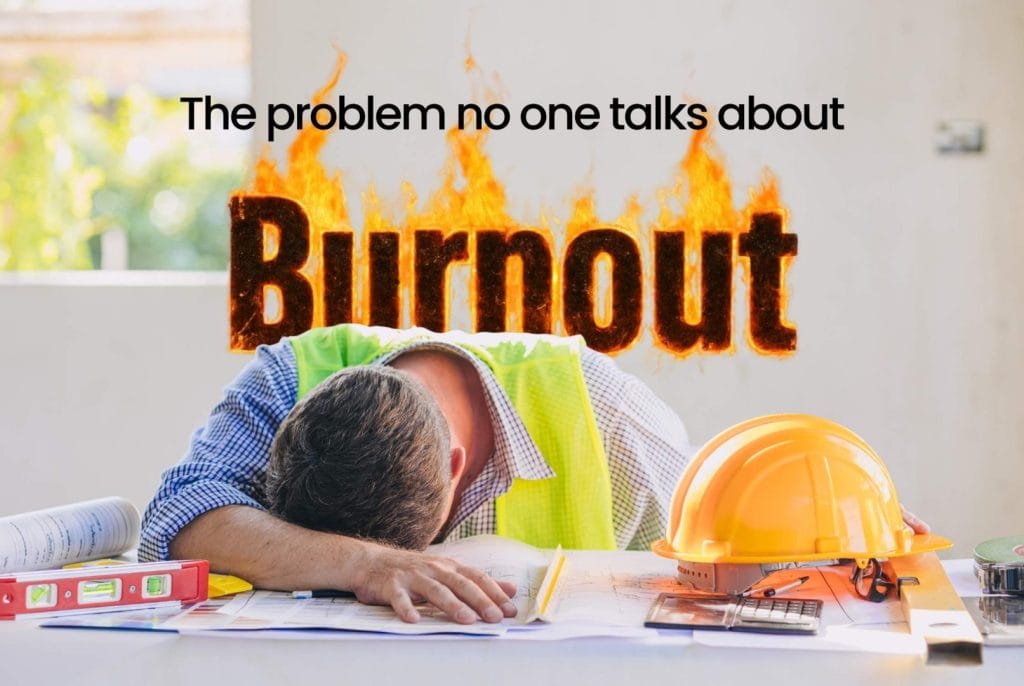
The skilled trades are under pressure. Electricians, facility teams, project managers, engineers, and installers are all being asked to do more with less time, fewer people, tighter schedules, and increasingly complex systems. Across the industry, conversations about burnout are becoming impossible to ignore. For many professionals in the field, the issue is not a lack of work ethic, it is the constant accumulation of friction, long install times, poorly designed products, endless troubleshooting, last-minute project changes, tight deadlines, rework, callbacks, coordination failures, supply chain delays, difficult serviceability, and labor shortages. Over time, those problems compound into physical exhaustion, mental fatigue, and operational burnout. While no single product or system can solve industry-wide stress overnight, smarter infrastructure design and installer-focused products can significantly reduce the daily friction that wears crews down over time.
Burnout Is Often Operational, Not Personal
In many trades and facility environments, burnout is framed as an individual issue. “Work harder, stay organized, and manage stress better” may sound like effective motivational advice in theory, but in reality, much of the pressure professionals face stems from operational inefficiencies that force them to spend valuable time solving preventable problems.
Consider how often teams deal with:
- Poor coordination between trades
- Delayed materials that disrupt schedules
- Confusing installation instructions
- Products that are difficult to wire or access
- Systems that create unnecessary troubleshooting time
- Installations that require rework because of avoidable design issues
- Components that require excessive field modification
- Limited serviceability after installation
- Products that fail prematurely
These are not isolated frustrations. They are recurring productivity drains that increase fatigue across every stage of a project lifecycle. When systems are poorly designed, crews absorb the cost physically and mentally.
The Cost of Daily Friction Adds Up Quickly
One difficult installation rarely causes burnout by itself. The problem is repetition. When installers lose extra minutes on every mounting process, every wire termination, every adjustment, and every troubleshooting session, those inefficiencies compound across weeks, months, and years.
For contractors and project managers, that friction creates:
- Labor overruns
- Delayed schedules
- Increased callbacks
- Coordination issues
- Reduced crew morale
- Higher turnover risk
For facility teams and maintenance professionals, it creates:
- More service interruptions
- Longer maintenance windows
- Greater downtime risk
- Increased operational stress
- Higher long-term ownership costs
And for electricians and field crews, it often creates something harder to quantify: exhaustion from constantly fighting the system instead of simply doing the work.
Simplicity Matters More Than Ever
As electrical infrastructure becomes more advanced, many professionals are not looking for more complexity. They are looking for systems that simplify coordination, installation, and long-term maintenance. The products that earn long-term trust in the field are usually not the flashiest.
They are the ones that:
- Install easily
- Reduce unnecessary steps
- Minimize troubleshooting
- Save time without cutting corners
- Hold up under demanding conditions
- Make servicing easier later
In high-pressure environments, simplicity is not a luxury, it is operational value. Every simplified installation process reduces opportunities for mistakes, delays, and rework. Every accessible wiring compartment reduces frustration during installation and servicing. Every reliable component reduces the likelihood of future callbacks. Over time, those gains meaningfully reduce strain on the people responsible for keeping projects moving.
Installer-First Design Reduces Stress Across the Entire Project
Products designed around real-world installation conditions can have a significant impact on crew efficiency and project outcomes. Installer-first design is not about marketing language or cosmetic features. It is about understanding how products actually perform in the field.
That includes considerations like:
- Mounting accessibility / wiring space
- Cable management
- Installation speed
- Material durability
- Long-term maintenance access
- Serviceability
When these details are ignored, field teams are forced to improvise solutions onsite. That increases labor time, frustration, and project risk. When these details are prioritized, crews can work faster, safer, and more confidently. The difference between a stressful installation and a smooth one is often not labor quality, it is product design.
Reliability Reduces Mental Load
One of the biggest contributors to burnout is uncertainty. Professionals working in commercial, industrial, hospitality, healthcare, education, and facility environments often operate under constant pressure to avoid failure. When systems are unreliable, every installation carries additional stress.
Will this component fail early?
Will this create a callback later?
Will this cause downtime for the client?
Will this become another emergency repair six months from now?
Reliable systems reduce that mental burden. Products that are built for long-term performance help teams spend less time firefighting and more time focusing on productive work. That reliability matters even more in environments where uptime is critical and maintenance resources are already stretched thin.
Better Systems Help Retain Skilled Labor
Labor shortages remain one of the biggest challenges facing the trades. Experienced electricians and technicians are difficult to replace, and many younger workers are questioning whether the industry offers sustainable long-term careers. Reducing unnecessary friction matters not only for productivity, but also for retention.
Professionals are more likely to stay in environments where:
- Workflows are organized
- Systems are reliable
- Installations are efficient
- Teams are supported properly
- Products make the job easier rather than harder
The reality is simple: crews remember which manufacturers create problems and which manufacturers help simplify the job. That reputation spreads quickly across contractors, installers, facility teams, and project managers.
Smarter Infrastructure Is About More Than Technology
Technology alone does not reduce burnout, operationally intelligent design does. The goal is not simply adding more features or creating more complex systems. The goal is reducing friction for the people responsible for installing, maintaining, and operating those systems every day.
That means prioritizing:
- Clear documentation
- Faster coordination
- Ease of installation
- Reduced troubleshooting
- Durable construction
- Long-term reliability
- Accessible maintenance
- Real-world usability
In many cases, the most valuable products are the ones that quietly eliminate problems before they happen.
The Industry Does Not Need More Complexity
The trades already operate under enough pressure. What professionals increasingly want are products and systems that reduce stress, reduce uncertainty, and reduce unnecessary labor friction. They want systems that work the way they should, installations that move efficiently, fewer callbacks, fewer surprises, and fewer avoidable problems. Most importantly, they want to feel confident that the tools and products they rely on were designed with the realities of the field in mind, because in demanding environments, reducing friction is not just about productivity, it is about sustainability for the people doing the work every day.
Discover power and lighting products that help make your life a little easier.